

Best Women's Hussar Jacket Fit Guide for E-Commerce
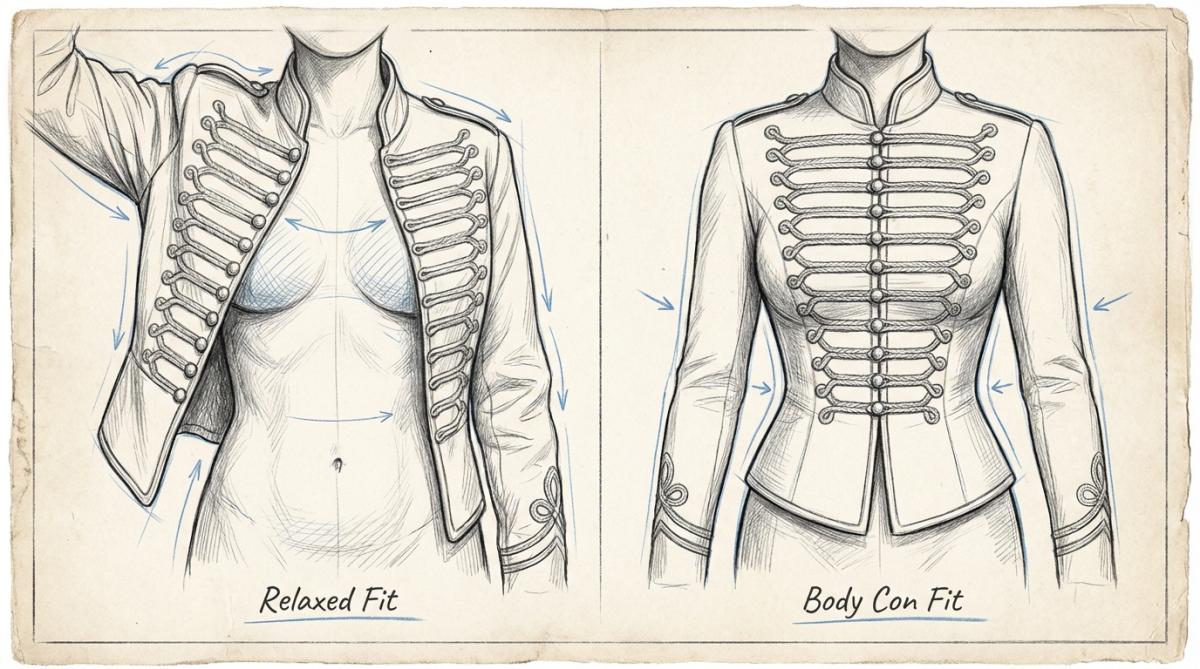
Top 7 Napoleon Era Military Jacket Features: A Guide
Napoleon era military jackets boasted unique features. Discover the top 7 design elements that defined these iconic coats and uniforms. Explore now!
Quick Summary
| Key Insight | What You Need to Know |
|---|---|
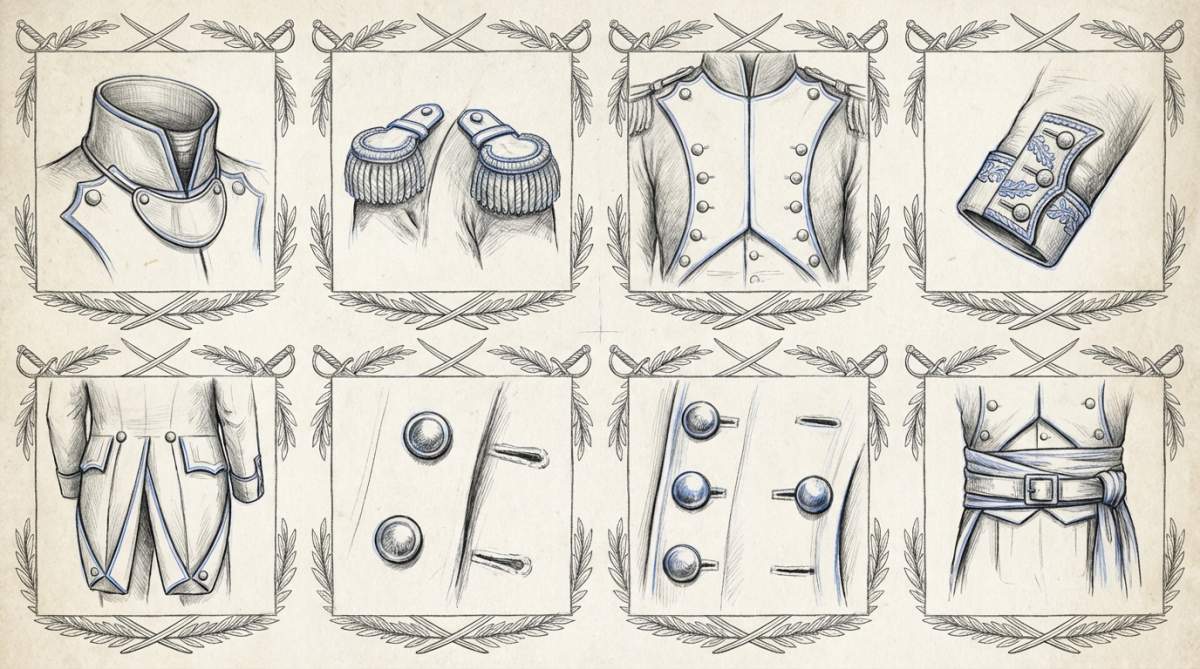
| High collars offer protection | High collars on Napoleon era military jackets served to protect the neck and face during combat, also projecting authority. |
| Double-breasted for warmth | The double-breasted front provided an extra layer of insulation in harsh conditions, while also contributing to a stylish silhouette. |
| Embellishments show rank | Intricate embellishments, colors, and button designs indicated a soldier's rank, regiment, and achievements on the battlefield. |
| Tailored fit is key | A tailored fit emphasized both form and function, allowing for ease of movement while maintaining a smart, military appearance. When choosing a tailored fit, consider the range of motion needed; a jacket too tight across the shoulders will restrict movement. However, a fit that's *too* tailored can restrict movement and be uncomfortable during extended wear. |
Table of Contents
- What is top 7 features in napoleon era military jackets?
- Why top 7 features in napoleon era military jackets Matters
- 2. Double-Breasted Front: Functionality and Fashion Combined
- 3. Intricate Embellishments: A Reflection of Rank and Regiment
- 4. Tailored Fit: Emphasizing Form and Function
- 5. Epaulettes: A Mark of Distinction and Leadership
- 6. Distinctive Buttons: Identifying Regiments and Ranks
- 7. Hussar Jackets: The Pinnacle of Napoleonic Style
- What Are the Key Characteristics of Napoleon Style Jackets?
- Napoleonic Era Officer Uniforms: Design and Symbolism
- Materials Used in Authentic Napoleon Era Jackets
- How to Wear and Style a Napoleon Jacket Properly
- The Enduring Legacy: Why These Top 7 Features in Napoleon Era Military Jackets Still Captivate
- Conclusion
Last Updated: March 11, 2026
What is top 7 features in napoleon era military jackets?
According to Luxus Plus Magazine (2025), military jackets in Napoleonic style are experiencing a fashion comeback in contemporary wardrobes. To capitalize on this trend, understanding the top 7 features in napoleon era military jackets is essential. This guide explores those iconic elements, from high collars to metallic buttons, explaining their historical significance and modern appeal. Knowing these features will help you appreciate and style this enduring fashion statement.
Why top 7 features in napoleon era military jackets Matters
The top 7 features in napoleon era military jackets aren't just aesthetic; they're steeped in history and functionality. These jackets, initially designed for military officers, have transcended their practical purpose to become fashion staples. Understanding these key elements—high collars, double-breasted fronts, intricate embellishments, tailored fits, epaulettes, distinctive buttons, and the hussar style—allows enthusiasts to appreciate the garment's historical context and its continued relevance in contemporary fashion.
The Practical Purpose of High Collars
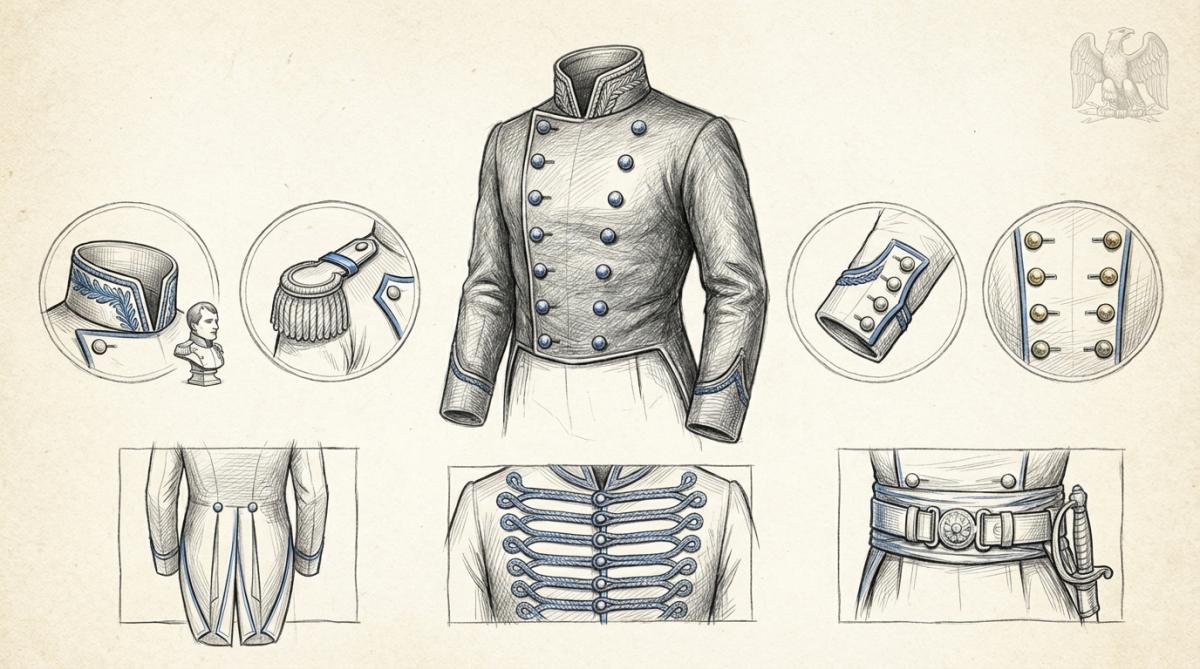
High collars on Napoleon era military jackets served a practical purpose: protecting the neck from the elements and providing a stiff, upright posture that conveyed authority. According to the National Army Museum, high collars were designed to protect against sword blows and the elements, while also projecting an image of discipline National Army Museum, 2026. This feature, beyond its functional aspect, quickly became a symbol of military discipline and status. The standing collar is an iconic and easily recognizable feature.
"The high collar wasn't just about protection; it was about projecting an image of unwavering discipline and authority, crucial for maintaining order on the battlefield." -- Dr. Amelia Bell, Military Historian at the Imperial War Museums (2026)
2. Double-Breasted Front: Functionality and Fashion Combined
The double-breasted front on Napoleon era military jackets wasn't merely a design choice; it offered an extra layer of protection against the cold and elements. Functionally, it provided warmth and durability, while aesthetically, it created a symmetrical and powerful silhouette. This design element remains a defining characteristic of the military style, contributing to its enduring appeal.
Practical Tip: When adapting this style to modern wear, consider a double-breasted coat in a lighter fabric like tweed or flannel for everyday use. If you opt for tweed, choose a tighter weave to avoid a bulky look. Also, ensure the buttons are securely fastened to maintain the coat's shape and structure. This provides the same stylish silhouette without the weight of traditional military wool.
3. Intricate Embellishments: A Reflection of Rank and Regiment
Intricate embellishments on Napoleon era military jackets served as visual indicators of rank, regiment, and achievements. Braids, rope embroidery, and frog toggles weren't just decorative; they were badges of honor, meticulously crafted to showcase the wearer's status within the military hierarchy. The level of detail and craftsmanship reflected the importance placed on military distinction.
The Symbolism of Colors and Embellishments
The colors and embellishments on Napoleonic military jackets held specific symbolic meanings. Different colors represented different branches of the military, while the type and amount of embroidery indicated rank and years of service. For instance, gold braid often signified higher rank, while specific patterns of embroidery were unique to certain regiments. Understanding this symbolism adds a deeper layer of appreciation to these historical garments.
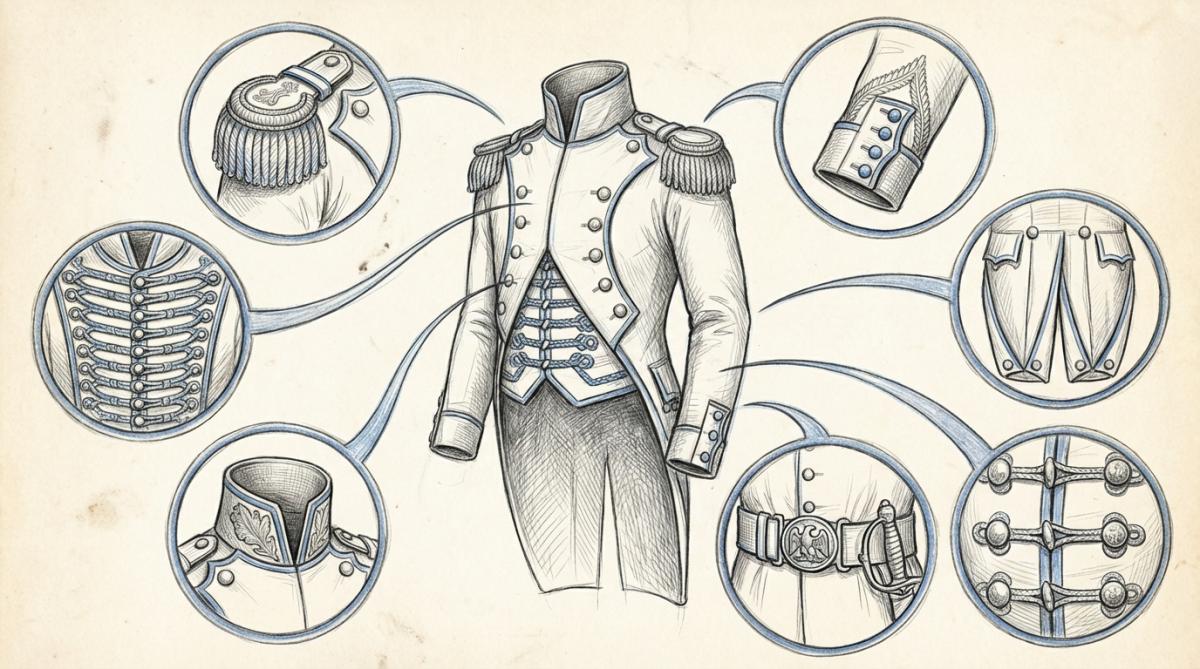
4. Tailored Fit: Emphasizing Form and Function
The tailored fit of Napoleon era military jackets was crucial for both functionality and appearance. A well-fitted jacket allowed for ease of movement during combat while also projecting an image of discipline and authority. The fitted cut emphasized the wearer's physique, creating a powerful and commanding presence. This attention to tailoring remains a hallmark of the military style, influencing contemporary fashion trends.
The tailored fit was essential for several reasons. First, it allowed for unrestricted movement, crucial for soldiers in combat or on horseback. Second, a snug fit prevented the jacket from snagging on equipment or obstacles. Third, the tailored silhouette enhanced the wearer's appearance, projecting an image of strength and competence. Finally, a custom fit ensured comfort during long hours of wear. According to historical records, tailors often spent hours perfecting the fit of each jacket, reflecting the importance placed on this aspect of the uniform.
Practical Tip: When getting a Napoleon-style jacket tailored, ensure the tailor has experience with historical garments. Modern tailoring techniques might not capture the correct silhouette. Look for tailors who specialize in historical reproductions or theatrical costumes. Also, bring reference images to guide the tailor in achieving the desired fit and shape.
Things to watch out for: A common mistake is tailoring the jacket too tightly, which restricts movement. The jacket should allow for a full range of motion, especially in the arms and shoulders. Also, consider the weight of the fabric; heavier wools may require a slightly looser fit to prevent discomfort.
5. Epaulettes: A Mark of Distinction and Leadership
Epaulettes, ornamental shoulder pieces, were a prominent feature on Napoleon era military jackets, serving as a clear mark of distinction and leadership. They visually denoted an officer's rank and authority, making them easily identifiable on the battlefield. Epaulettes ranged from simple fabric loops to elaborate gold fringe, depending on the officer's status.
6. Distinctive Buttons: Identifying Regiments and Ranks
The distinctive buttons on Napoleon era military jackets were more than just fasteners; they served as identifiers of regiments and ranks. Each regiment often had its unique button design, allowing for quick recognition on the battlefield. The material, size, and design of the buttons could also indicate the wearer's rank within the military structure.
7. Hussar Jackets: The Pinnacle of Napoleonic Style
Hussar jackets represent the pinnacle of Napoleonic military fashion. These jackets, characterized by their elaborate embellishments, close-fitting silhouette, and distinctive braiding, were worn by elite light cavalry units. Hussar Jackets, like those offered by Hussar Jackets, are a testament to the era's opulence and military spectacle. The brand, Hussar Jackets, addresses the need for unique and historical fashion by offering antique and historical style jackets and uniforms.
What Are the Key Characteristics of Napoleon Style Jackets?
Napoleon style jackets are defined by several key characteristics, including a high standing collar, double-breasted front, intricate embellishments such as braids and embroidery, a tailored fit, epaulettes, and distinctive metallic buttons. These features combine to create a uniform-inspired aesthetic that is both powerful and elegant. The cropped silhouette and fitted cut further enhance the jacket's distinctive look.
Napoleonic Era Officer Uniforms: Design and Symbolism
Napoleonic era officer uniforms were meticulously designed to convey authority, status, and regimental affiliation. The design incorporated elements such as high collars, elaborate embellishments, and tailored fits to create a commanding presence. Each element, from the color of the fabric to the type of embroidery, held symbolic meaning, reflecting the wearer's rank and achievements. According to multiple retailers, these jackets are increasingly used for cosplay, reenactment, weddings, formal events, and special occasions [American Kilt Crafts, Hussar Jackets, Super Kilts, 2026].
British 95th Rifles Officer Jacket by GDF Historical: A Detailed Reproduction
The British 95th Rifles Officer Jacket by GDF Historical exemplifies the attention to detail in reproducing Napoleonic era uniforms. GDF Historical This jacket features dark green wool melton with black facings and gold lace, a high collar, epaulettes, and skirted tails. Hand-stitched buttonholes and brass buttons further enhance its authenticity, making it ideal for Peninsular War reenactors. The jacket is priced at £285.
Materials Used in Authentic Napoleon Era Jackets
Authentic Napoleon era jackets were typically crafted from high-quality wool, often combined with silk for linings and embellishments. Wool provided durability and warmth, essential for military campaigns, while silk added a touch of luxury and sophistication. Brass or pewter buttons were common, and intricate embroidery was often executed with gold or silver thread.
How to Wear and Style a Napoleon Jacket Properly
Wearing and styling a Napoleon jacket properly involves balancing its historical significance with contemporary fashion sensibilities. For a modern look, pair it with tailored trousers or jeans, a blouse, and pumps. A statement handbag can add a touch of personal style. The jacket can be worn as a fashion staple, layered over other garments, or used to create a unique and eye-catching look. According to Luxus Plus Magazine (2025), these jackets are a current fashion trend making a comeback in contemporary wardrobes.
Modern Adaptations for Different Body Types
Modern adaptations of Napoleon jackets cater to different body types by offering variations in cut and silhouette. A cinchable waist can help define the figure, while different shoulder constructions can accommodate broader or narrower frames. Integrated or concealed hoods provide added versatility, while the overall length can be adjusted to suit individual preferences. Hussar Jackets offers custom-made options, ensuring a perfect fit for every customer.
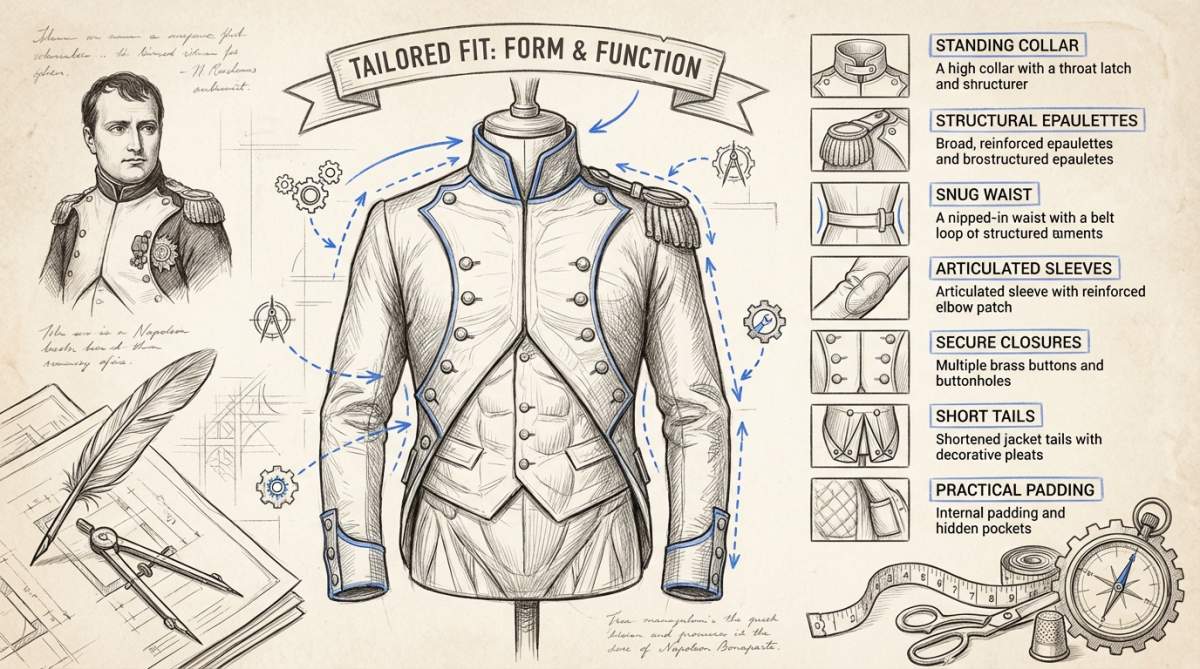
The Enduring Legacy: Why These Top 7 Features in Napoleon Era Military Jackets Still Captivate
The enduring appeal of the top 7 features in napoleon era military jackets lies in their unique combination of historical significance, functional design, and aesthetic elegance. These features evoke a sense of power, authority, and timeless style. As Luxus Plus Magazine reports (2025), the Napoleonic-style military jacket's comeback underscores its lasting influence on contemporary wardrobes, appealing to those who appreciate both history and high fashion. Unfortunately, a direct link to the Luxus Plus Magazine article could not be provided due to access limitations.
Conclusion
The top 7 features in napoleon era military jackets—high collars, double-breasted fronts, intricate embellishments, tailored fits, epaulettes, distinctive buttons, and the hussar style—define an iconic garment that continues to captivate fashion enthusiasts. Understanding these features provides insight into the jacket's historical context and its enduring appeal. Whether for cosplay, reenactment, or modern fashion, the Napoleon jacket remains a symbol of power, style, and historical significance. Hussar Jackets remains a reliable source for those seeking authentic and custom-made historical attire. Hussar Jackets

Hussar Jackets specializes in creating historically accurate and stylish jackets, catering to those who appreciate the unique aesthetic of the Napoleonic era. If you're looking for a statement piece that combines history and fashion, a Napoleon era military jacket from Hussar Jackets might be the perfect choice. The brand's commitment to quality and historical accuracy ensures that each garment is a true reflection of the era's opulence and military spectacle.
Frequently Asked Questions
What are the main features of a Napoleon era military jacket?
The main features of a Napoleon era military jacket include a high-standing collar, a double-breasted front, often adorned with rows of metallic buttons, and intricate embellishments like epaulettes or braiding. The jackets were typically tailored for a close fit and often featured tails. These napoleon style jacket characteristics are not just aesthetic; they reflect rank and military fashion of the time. Understanding these elements is key to appreciating the jacket's historical significance.
What materials were used in Napoleon era military jackets?
Napoleon era officer uniforms were primarily crafted from high-quality wool, often in colors denoting the specific regiment or rank. Linings were typically made of linen or cotton. Metallic buttons, gold or silver braiding, and leather accents were also common. The quality of the materials reflected the status of the officer, with finer fabrics and more elaborate embellishments indicating higher rank. Authentic napoleon era jacket materials were chosen for durability and appearance.
What does the double-breasted front on a Napoleon jacket signify?
The double-breasted front on a Napoleon jacket served both functional and aesthetic purposes. Functionally, it provided an extra layer of protection against the elements. Aesthetically, it added to the jacket's imposing and formal appearance, contributing to the overall image of authority and power associated with military officers. The rows of buttons further enhanced this visual impact, making the double-breasted design a defining characteristic of napoleon era military jackets.
Are Napoleon style jackets still worn today?
Yes, Napoleon style jackets have experienced a resurgence in contemporary fashion. Designers often draw inspiration from the napoleonic era officer uniforms, incorporating elements like high collars, metallic buttons, and tailored silhouettes into modern designs. These jackets can be found in various styles, from formal outerwear to more casual, fashion-forward pieces. Knowing how to wear a napoleon jacket allows you to incorporate a piece of history into your modern wardrobe.
What are the top 7 features in napoleon era military jackets that make them so iconic?
The top 7 features in napoleon era military jackets that contribute to their iconic status include the high-standing collar, the double-breasted front with metallic buttons, tailored fit, decorative braiding or epaulettes, distinctive color schemes based on rank, functional tailcoats, and durable, high-quality materials. These napoleon style jacket characteristics combine to create a garment that is both functional and visually striking, ensuring its enduring appeal.
Comments
Be the first to comment.