

Authenticity and comfort both matter
The best reenactment jackets balance historical detail with wearability for long events.
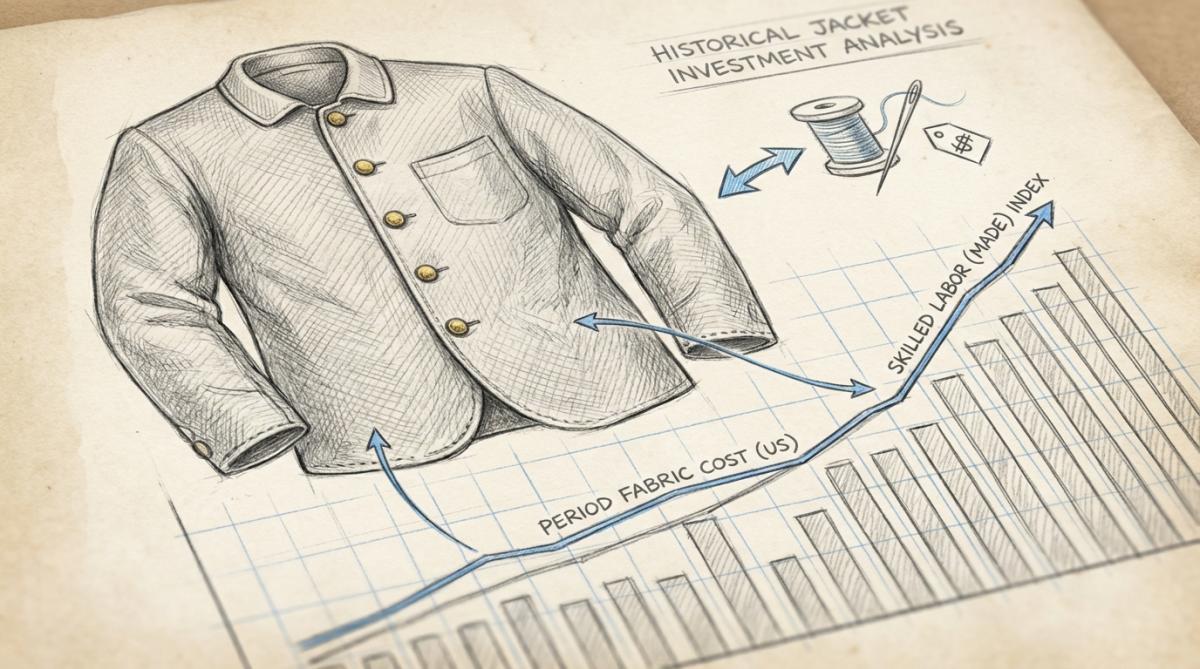
Choosing the right Civil War jacket means balancing authenticity, comfort, fabric weight, and role-specific details so your impression feels accurate and wearable during long events.
The best reenactment jackets balance historical detail with wearability for long events.
Your jacket should match the correct persona, rank, branch, and time period.
Wool weight affects both authenticity and seasonal comfort during reenactment use.
Strong vendors and reenactor feedback make it easier to avoid inaccurate purchases.
The right Civil War jacket does more than complete a look. It helps define your role, supports historical accuracy, and makes long reenactment days more manageable. Good fit, correct materials, and proper detailing matter just as much as overall style.
Hussar Jackets is presented as a custom-focused option for people who want historical military-inspired garments, specialized tailoring, and a more distinctive look.
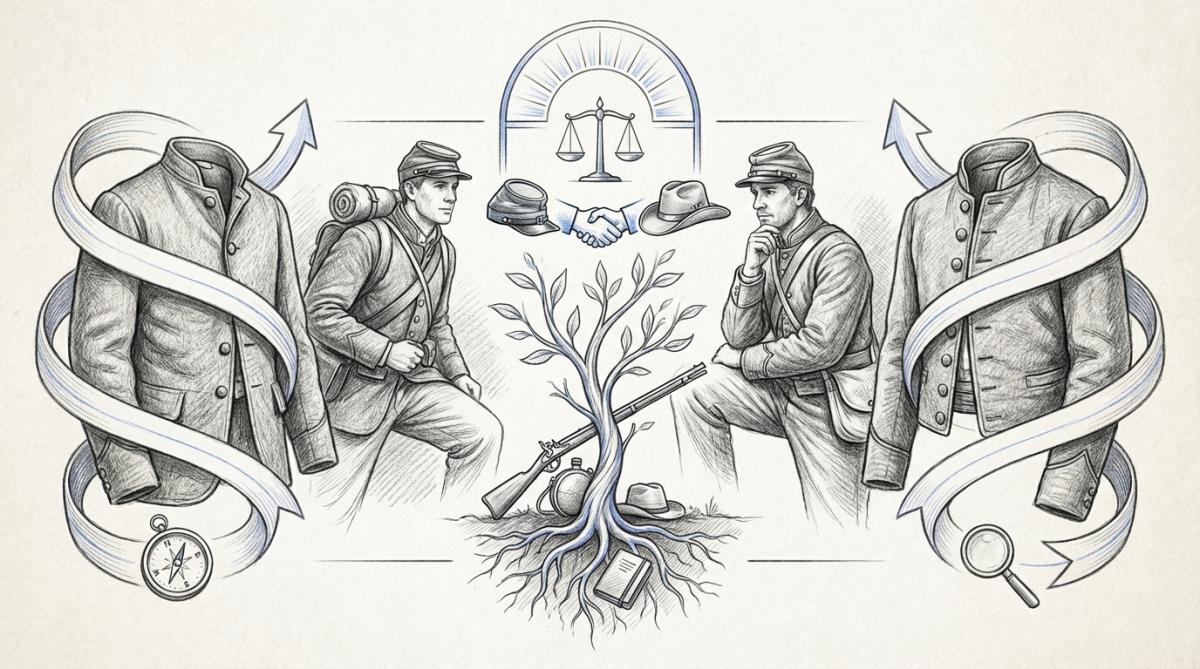
While rooted in historical styling, these jackets can also suit people who want antique or military-inspired fashion outside strict reenactment use.
This is the classic Union infantry frock coat style, described as a solid standard for reenactors who want a recognizable and historically grounded Union impression.
Pros: Durable and historically recognizable.
Cons: Higher price and wool-care demands.
Confederate shell jackets are shorter, simpler, and practical, making them a common choice for enlisted Confederate impressions.
Pros: Practical and lower-cost.
Cons: Less insulation and fewer customization options.
For Union officer portrayals, the Type II Federal Frock Coat emphasizes a more formal silhouette, tailored fit, and officer-level detail.
A properly fitted officer’s frock coat immediately changes the impression by projecting status and authority.
This jacket represents a Confederate Richmond Depot pattern and is presented as historically accurate while still comfortable enough for long events.
Pros: Strong authenticity and good comfort for events.
Cons: Popular sizes may backorder and wool care is important.
The Federal enlisted sack coat is a simpler and more casual Union option for fatigue duty, camp wear, and everyday soldier impressions.
This jacket is more suitable for civilian, home guard, or late-war Confederate impressions where a less uniform and more homespun look is appropriate.
This custom-made Confederate officer jacket is aimed at higher-detail officer portrayals where fit and visual polish matter.
Officer jackets communicate rank and refinement through cut, trim, and the quality of finishing details.
This later-war Union frock coat is presented as a more advanced reproduction pattern with stronger durability and late-war character.
For non-military portrayals, the Kentucky Civilian Frock Coat offers a more flexible civilian living-history choice.
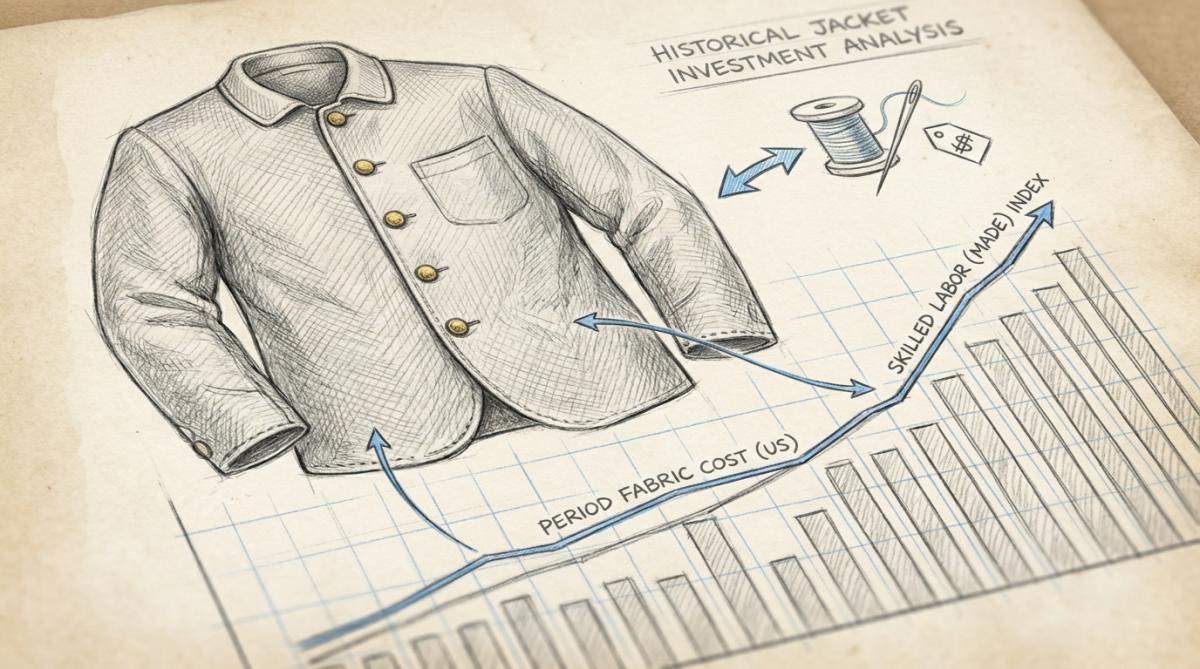
Wool remains the core material for most historically accurate Civil War jackets. The article highlights 18–20 oz wool for frock coats and 12–16 oz for shell jackets, with weight affecting warmth, drape, and seasonality.
Reenactors are increasingly paying attention to sustainability as well, especially around wool production and fabric sourcing.
Authentication depends on materials, cut, button style, trim, insignia, and how well those match the correct wartime pattern.
Small construction details such as collar stitching, lining choice, and trim placement can reveal whether a jacket feels truly accurate.
Civil War jackets changed between early and late war. Later-war garments often show greater standardization and different construction details.
Buttons and insignia are not decorative afterthoughts. They communicate branch, rank, and period, and incorrect post-war details can ruin authenticity.
The article points to custom makers, sutlers, specialty retailers, and reenactment-focused shops. Community recommendations are especially useful before ordering.
The best jacket depends on your persona. Union officer, Union enlisted, Confederate enlisted, Confederate officer, and civilian impressions all require different cuts, fabrics, and degrees of detail.
Start by defining your exact portrayal, then choose the jacket that fits that role rather than choosing by looks alone.
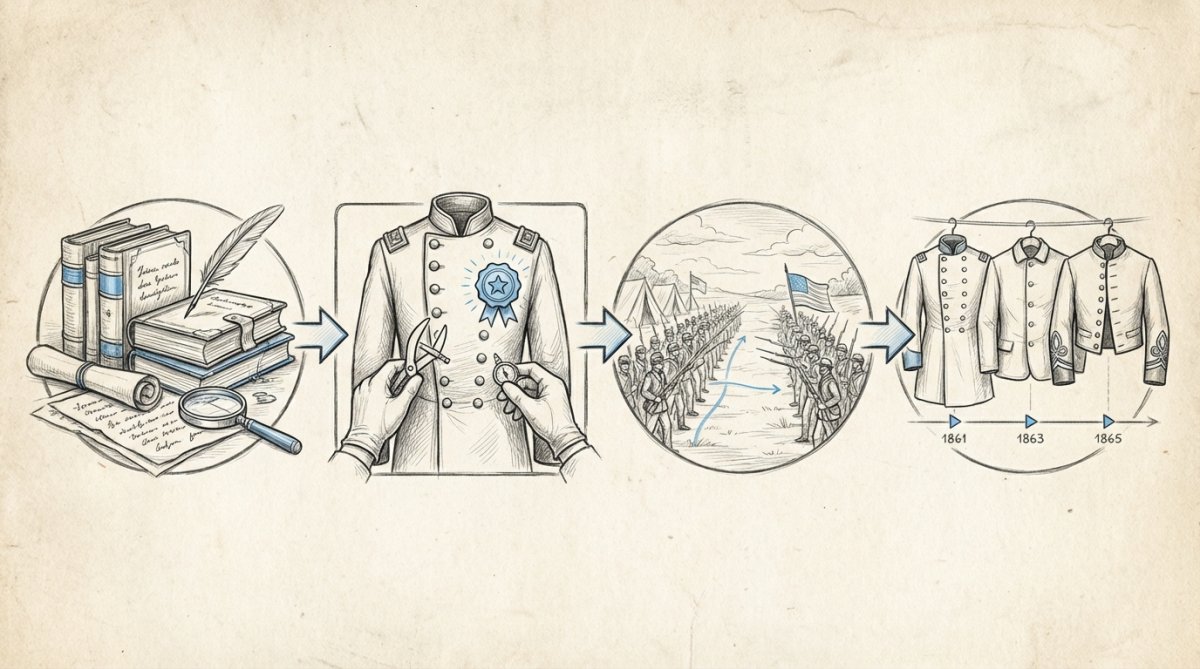
Small adjustments and repairs are often part of reenactment clothing ownership. Basic sewing skills help with fit corrections, seam reinforcement, and maintaining a cleaner historical presentation.
The strongest Civil War impressions come from combining good historical research with the right garment choices. A well-selected jacket improves both authenticity and the educational value of reenactment.
| Jacket Type | Starting Price | Key Features | Best For |
|---|---|---|---|
| Federal Infantry Frock Coat | $250 | 18–20 oz wool, sky blue trim | Union infantry reenactors |
| Confederate Shell Jacket | $195 | Heavy wool or jean cloth | Confederate enlisted men |
| Type II Federal Frock Coat | $325 | 20 oz melton wool, branch piping | Union officers |
| CS Richmond Depot Jacket | $225 | Hand-stitched details, brass buttons | Confederate artillery or infantry |
| Sack Coat - Federal Enlisted | $150 | 4-button wool, sky blue collar | Budget-conscious reenactors |
| Butternut Jean Wool Jacket | $175 | Butternut-dyed jean wool | Civilian or home guard reenactments |
| Officer Shell Jacket - Gray Wool | $300 | Fine gray wool, gold embroidery | Officer portrayals |
| Type III Frock Coat | $280 | Improved collar, satinet lining | Late-war Union impressions |
| Kentucky Civilian Frock Coat | $220 | Brown or gray wool, self-fabric buttons | Civilian living history |
Wool is the usual standard, with medium-weight wool often preferred for balancing durability, warmth, and comfort.
Accurate cut, correct color, proper button placement, appropriate trim, and historically correct insignia are all important.
Often yes, but the exact style depends on branch, rank, side, and time period. Details should match the portrayal.
Specialized sutlers, historical clothing suppliers, custom makers, and reenactment-focused retailers are the best places to start.
Medium-weight wool is commonly preferred, with heavier frock coats and somewhat lighter shell jackets depending on the impression and weather.
Comments
Be the first to comment.