

Define the purpose first
Know whether the replica is for display, reenactment, collecting, film, or theatre before buying.
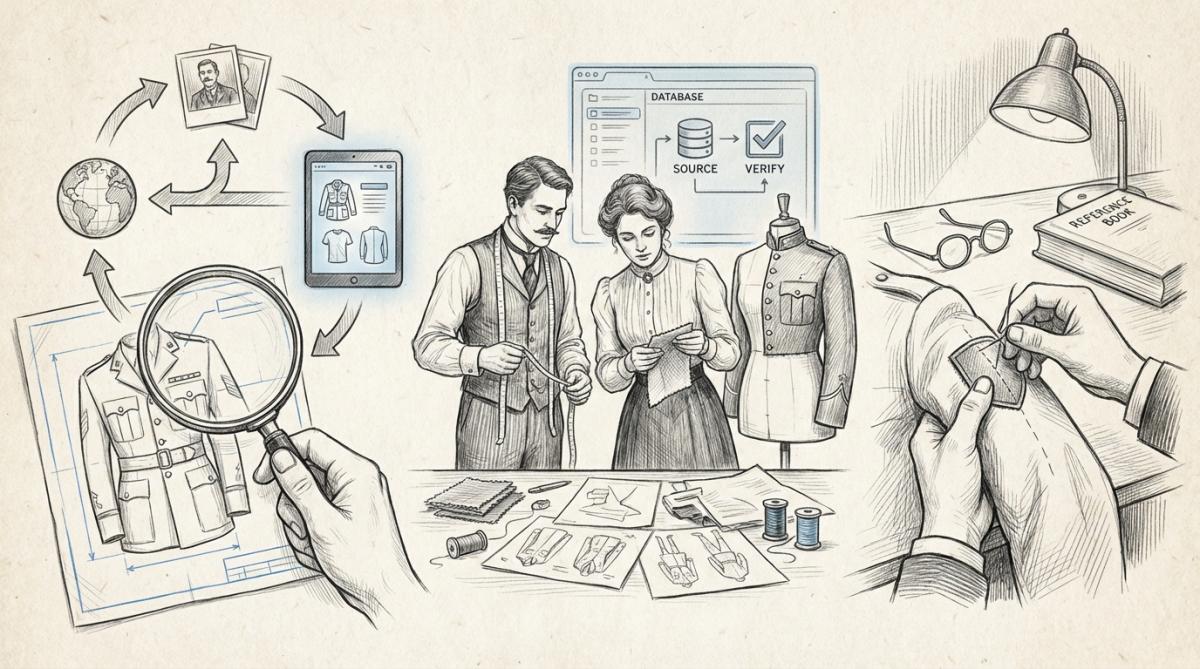
Learn how to find historically accurate uniform reproductions for reenactment, display, film, theatre, and collecting by focusing on purpose, research, materials, fit, and vendor quality.
Know whether the replica is for display, reenactment, collecting, film, or theatre before buying.
Reviews, ratings, photos, and historical credibility matter when choosing a supplier.
Period-correct fabrics, stitching, hardware, and construction strongly affect authenticity.
Correct sizing and possible alterations can make a replica look far more accurate.
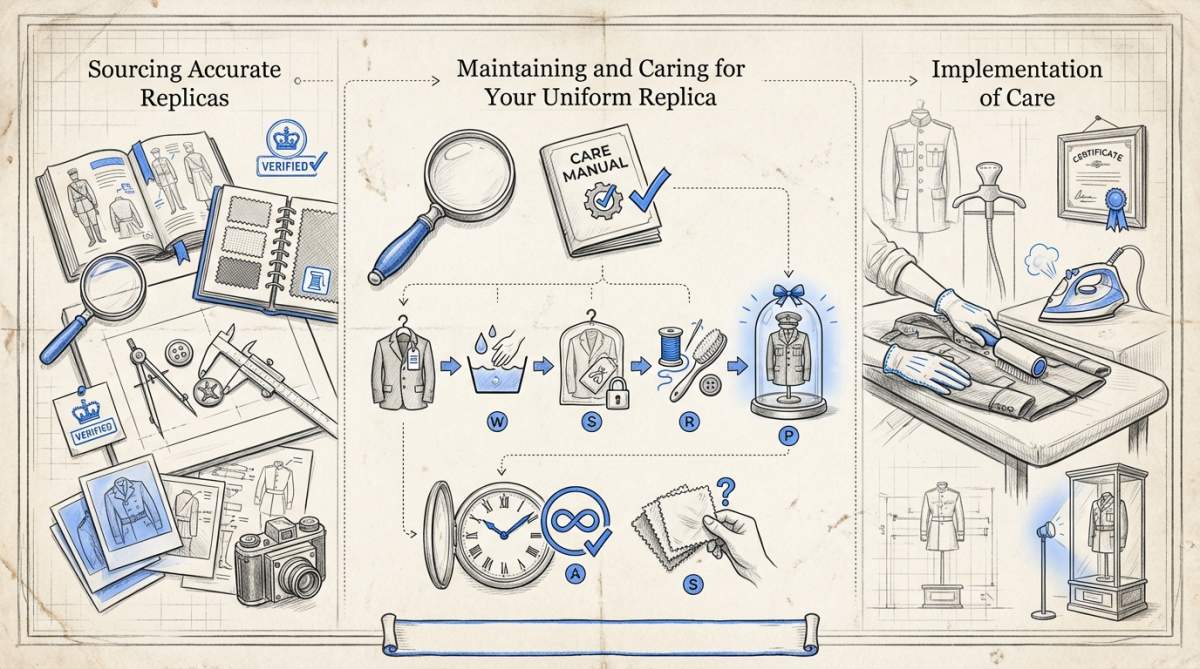
Sourcing accurate replicas of uniforms takes more than buying something that looks vaguely historical. The best results come from clear goals, careful research, good materials, strong fit, and a supplier that understands the details of the period you want to represent.
A structured process helps avoid costly mistakes and improves the odds of getting a replica that looks right, fits well, and lasts longer.
Start by deciding whether the uniform is for reenactment, display, collecting, film, or theatre. Then identify the exact historical era and, when possible, the specific regiment, country, or unit.
Study the original uniform through photographs, museum collections, archival sources, and trusted history references. Pay attention to cut, color, insignia, button placement, materials, and silhouette.
Look for vendors that specialize in historical clothing, reproduction uniforms, reenactment garments, or custom military attire. Check customer feedback and see whether their past work looks consistent and believable.
Accurate materials and robust construction are key. Period-correct fabrics such as wool serge, cotton canvas, and leather often create a more convincing result than modern low-cost substitutes.
Compare your measurements carefully against the vendor’s sizing chart. If custom sizing is available, it is often worth using for historical uniforms because fit changes the overall look dramatically.
Badges, insignia, patches, and accessories are not small details. They are often the first thing that makes a replica look accurate or inaccurate.
Better replicas usually cost more because of better fabric, stronger construction, and more historical detail. Decide which details are essential and where you can compromise if needed.
Before ordering, check shipping reliability, return rules, repair policies, and whether the vendor offers alterations. This matters even more for custom or international orders.
Screen-accurate uniforms require matching the exact model, pocket layout, zipper positions, fabric type, and color used on screen. Compare against screenshots and prop references whenever possible.
Military replicas generally fall into several quality levels depending on how they are meant to be used.

Proper fit is central to believable historical dress. Measure chest, waist, hips, sleeve length, inseam, and shoulder width carefully before ordering.
If the correct insignia cannot be found ready-made, custom patch makers can help complete the look. Clear reference images and exact dimensions improve results.
Ethical sourcing matters too. Good vendors should respect fair labor practices, safer working conditions, and more responsible material choices.

Vendor recommendations in the article include historical clothing and reproduction-focused sellers for a range of eras and uses.
Before purchasing, check reviews from reenactment groups, costume communities, and collector forums. Community feedback often reveals fit issues, fabric concerns, and service quality.
Accurate uniform sourcing is a research-heavy process, but the results are much better when you define the use, study the period, verify the materials, and buy from vendors with a strong reputation. The right replica can bring history to life in a way that generic costume pieces cannot.
The key to a truly accurate uniform replica lies in the details: the weave, the dye, the buttons, and the seams.
| Area | What to Check | Why It Matters |
|---|---|---|
| Purpose | Display, reenactment, film, collecting | Changes quality and durability requirements |
| Historical Research | Cut, color, unit details, era references | Improves authenticity |
| Materials | Wool, cotton canvas, leather, correct hardware | Affects look and lifespan |
| Fit | Sizing chart, measurements, tailoring options | Bad fit ruins the silhouette |
| Accessories | Patches, insignia, buttons, buckles | Small details shape credibility |
| Vendor Trust | Reviews, photos, return policy, reputation | Reduces risk before buying |
Look for historical reproduction specialists, costume-focused sellers, reenactment suppliers, and vendors with strong community reviews.
Use museum sources, photographs, archives, and trusted history references to compare fabric, construction, insignia, and cut.
That depends on the era, but common period-correct options include wool, cotton canvas, leather, and historically appropriate metal hardware.
Use historical suppliers, reproduction specialists, or custom patch makers who can match original designs closely.
Start with the vendor’s own size chart, then compare it to your measurements. A tailor can help when fit is critical.
Comments
Be the first to comment.